



Electronic and electrical safety CE certification
CE certification provides unified technical specifications for products traded in the European market, simplifying trade procedures. Products from any country must undergo CE certification to enter the EU and the European Free Trade Area, and the CE mark must be affixed to the product. Therefore, CE certification is a passport for products entering the EU and EFTA market. CE certification indicates that the product has met the safety requirements specified by EU directives; it is a commitment from the enterprise to the consumer, enhancing consumer trust in the product. Products with the CE mark reduce risks when sold in the European market, including risks of being detained and inspected by customs, investigated by market supervision agencies, and accusations by competitors for competition purposes.
Types of CE Certification Certificates
1. Declaration of Conformity: Issued by the enterprise itself.
2. Certificate of Compliance: A formal certificate issued by relevant bodies.
3. EC Attestation of Conformity: Issued by a Notified Body (NB). According to EU regulations, only NBs are qualified to issue EC Type CE declarations.
ce certification process for Electronic and Electrical Products
1. Application: Fill out the application form, confirm product name, model, quantity, and submit relevant product information.
2. Quotation and Payment: Review application and certification materials, send product samples.
3. Testing and Drafting Certificate: Upon passing the review, the product is tested, and a draft certificate is created.
4. Review and Issue Certificate: The applicant reviews the draft. If modifications are needed, feedback is provided, and the draft is revised before the certificate is issued.
Required Documents for CE Certification
1. Certification application (provided by us) including applicant name, address, product name, and model.
2. Product manual (usage instructions, emergency handling measures, detailed technical parameters such as voltage, current, power).
3. Exploded view of the product (structure diagram), schematic diagram, circuit diagram (showing clearance, creepage distances, number, and thickness of insulation layers).
4. List of components (provided by us) including component name, manufacturer, product model, and parameters.
5. Copies of certifications for the complete machine and components (if valid, some tests may be exempted).
6. Explanation of differences in series models (highlighting differences between models to determine if they can be consolidated into a series).
7. Two working samples: one with the most complex structure and highest power, and one with the lowest power.
8. Copies of business license, production license, and organization code certificate.
9. Any other required materials.
Note: All documents need to be in English.
Common CE Certification Standards for Electronic Products
For common electronic products, the applicable CE directives are:
- EMC Directive (2014/30/EU)
- LVD Directive (2014/35/EU)
- MD Directive (2006/42/EU) for mechanical products.
For ordinary DC products, the EMC Directive (2014/30/EU) is used. Common standards under the EMC Directive include:
- Industrial product standards and test types: EN 55011, EN 50081-2, EN 50082-2.
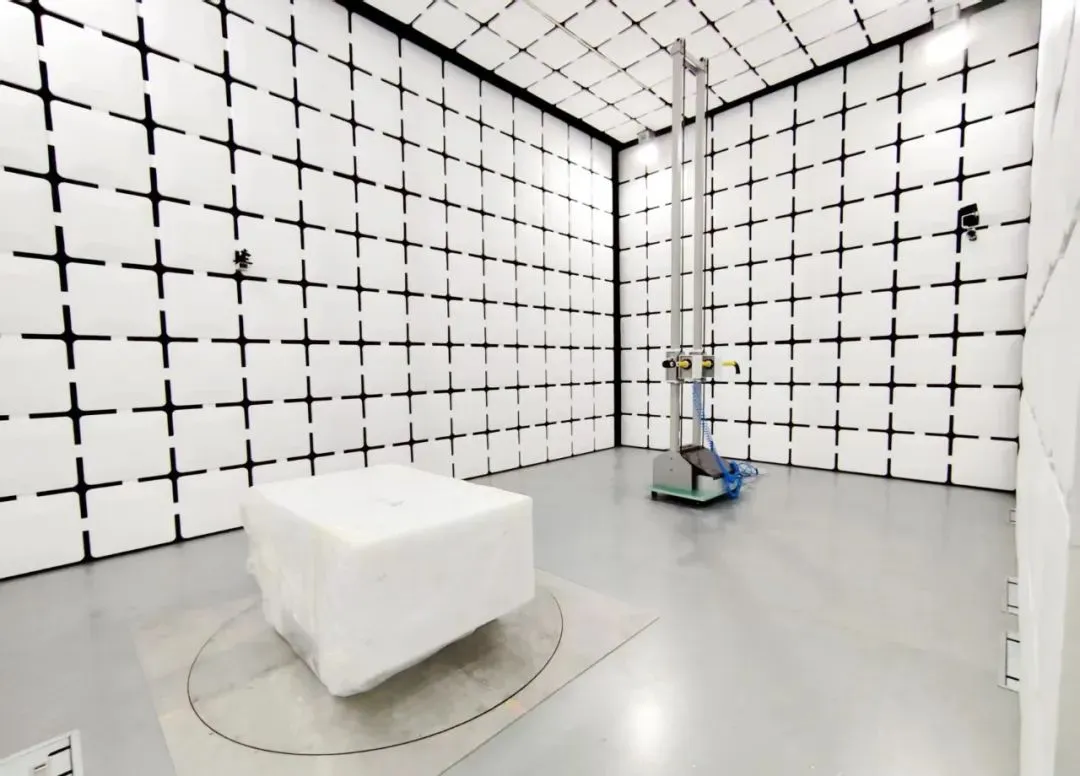
- emi tests: Conducted emission test (EN 55011), radiated emission test (EN 55011).
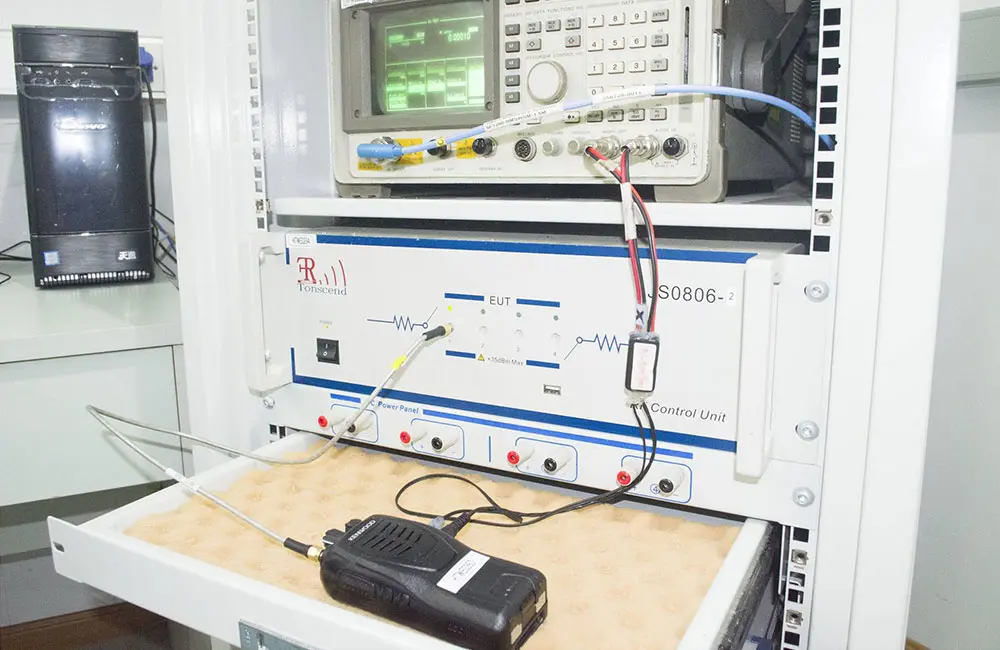
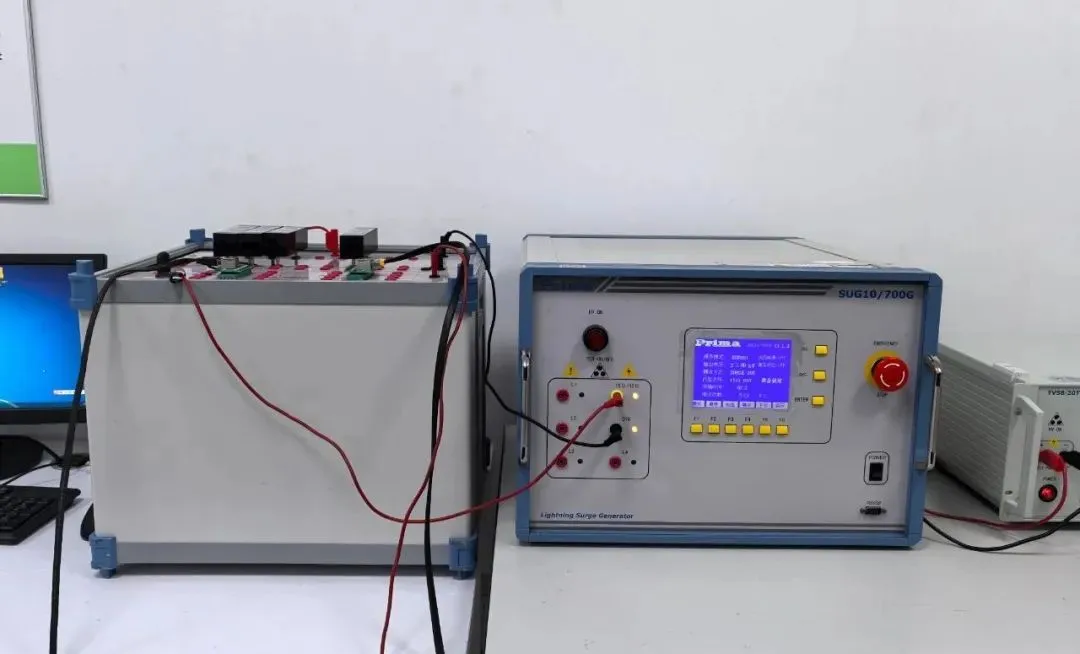
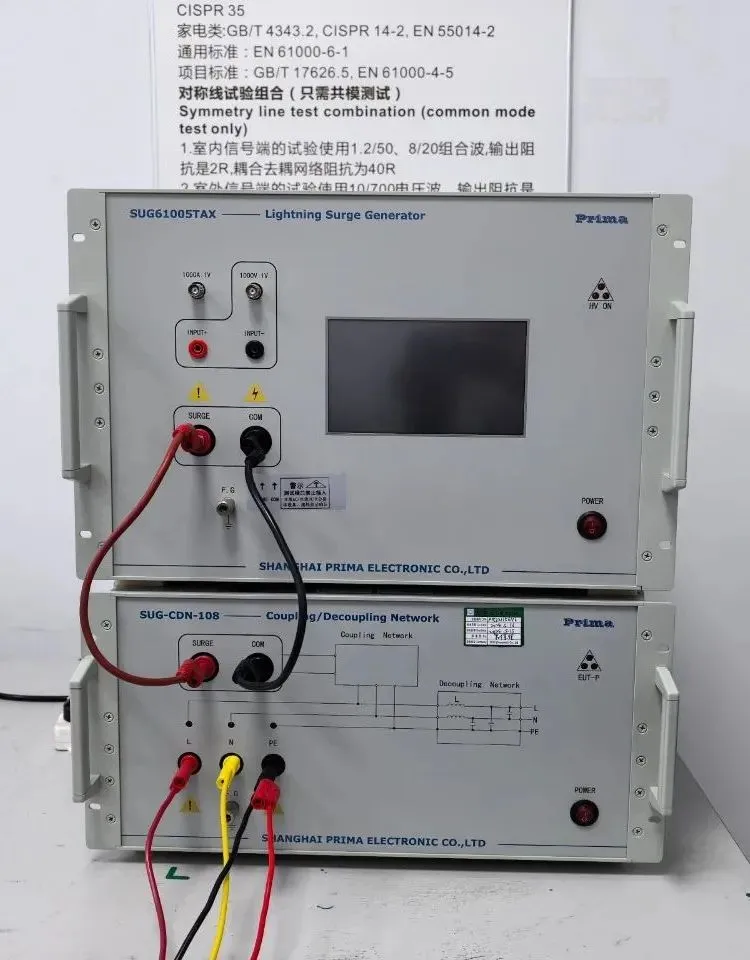
- EMS Tests: Conducted immunity test (en 61000-4-6), radiated immunity test (EN 61000-4-3), ESD immunity test (EN 61000-4-2), EFT immunity test (EN 61000-4-4), power frequency magnetic field immunity test (EN 61000-4-8), surge immunity test (EN 61000-4-5), voltage dip immunity test (EN 61000-4-11).
- Other product-related standards: EN 55013 (broadcast receivers), EN 55014 (household appliances and portable tools), EN 55015 (lighting products).
For products with an AC supply voltage of 50-1000V or DC supply voltage of 75-1500V, both EMC and LVD directives apply.
Common standards under the LVD Directive include:
- Household appliances (EN 60335)
- Lighting products (EN 60598)
- Audio-visual products (en 60065)
- Information technology products (EN 60950)
- Electrical machinery (EN 60204)
- Measuring instruments (EN 61010)
For mechanical products, the MD Directive applies, and relevant standards include:
- EN ISO 12100:2010
- EN 60204-1:2006+A1:2009+AC:2010
Costs of CE Certification for Electronic Products
ce certification costs mainly depend on the certification body and relevant directives. Different products require different test items. For common electronic products, the typical directives are EMC and LVD. Mechanical product CE certification is more expensive due to factory audits and evaluations. Some products may only require lvd certification, while others may need EMC as well, leading to cost differences. CE certification allows products to circulate freely in the EU market only after passing all relevant directive tests and affixing the CE mark.
CE Certification Timeframe for Electronic Products
The certification process generally takes about a week, starting from when the sample reaches the testing lab. Urgent cases can be expedited.
Email:hello@jjrlab.com
Write your message here and send it to us
 What is the ASTM F2167 Certification Test?
 What is the ASTM F2050 Certification Test?
 What is ASTM F1967 Certification Testing? How to g
 What is the ASTM F1917 Certification Test?
 How to get ASTM F1821 Certification
 What is the ASTM F1821 Testing Standard?
 Electronic Products Safety Testing Laboratory
 HAC Hearing Aid Compatibility Testing
Leave us a message
24-hour online customer service at any time to respond, so that you worry!