



Electronic Product FCC Certification Testing
The fcc regulates only electromagnetic interference, which mainly includes the following types:
1) Antenna Terminal Interference
Mainly targeted at devices with external antennas, such as TVs.
2) Radiation Interference (Radiation Emission)
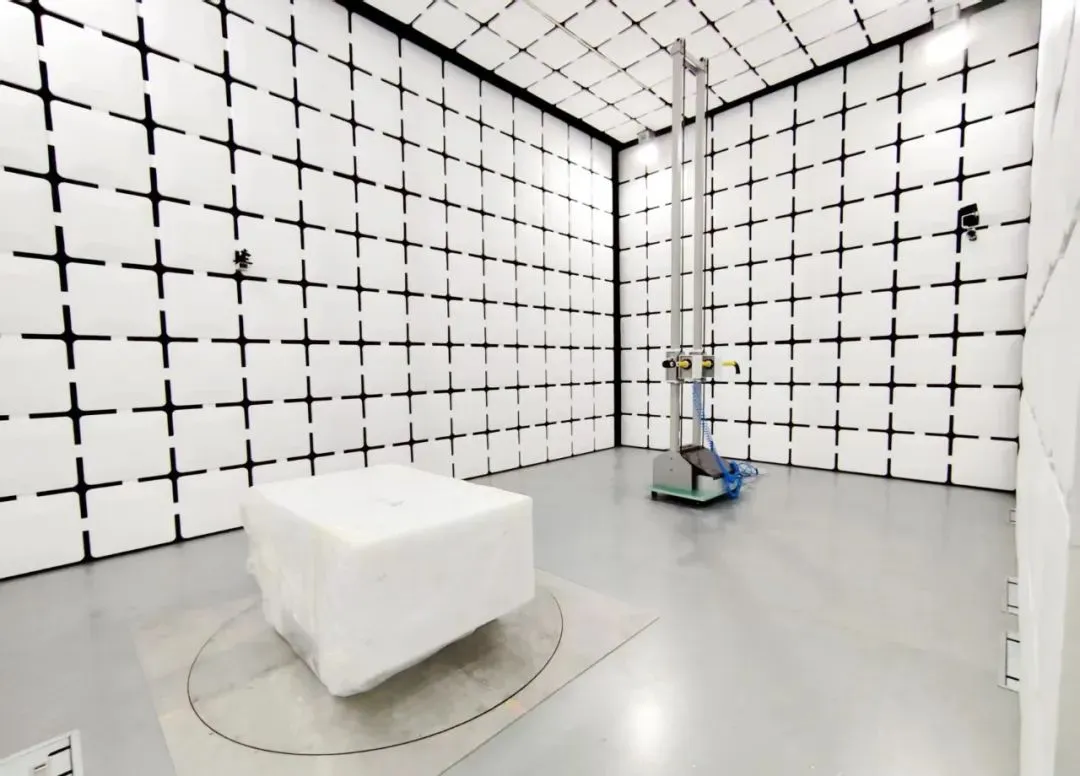
Radiation interference propagates through space. Interference occurring at frequencies from 30MHz to 1GHz is mostly radiation interference.
3) Conduction Interference (Conduction Emission)
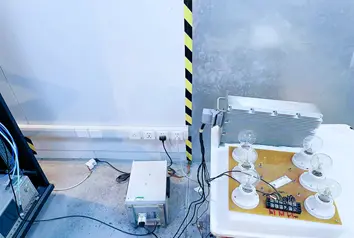
Conduction interference propagates through power lines, signal lines, and other conductors. FCC requires frequencies from 150kHz to 30MHz. Interference occurring at low frequencies is mostly conduction interference.
So, should my product undergo fcc id certification or fcc sdoc certification?
1) Regular Products
Typical products such as AV equipment, IT devices, lighting fixtures, small household appliances, keyboards, headphones, night lights, electric fans, street lights, speakers, and other non-wireless ordinary products need FCC sdoc certification.
2) Wireless Product Category (Requires fcc id certification)
Wireless products can be easily distinguished based on frequency:
a. Transmitting frequencies: 125kHz, 13.56MHz
Typical products: bus card readers, wireless chargers, access card readers;
b. Transmitting frequencies: 27MHz, 49MHz
Typical products: wireless mice, remote control toys;
c. Transmitting frequencies: 315MHz, 433MHz (intermittent, periodically triggered products)
Typical products: remote switches, wireless doorbells, anti-theft devices;
d. Transmitting frequency: 88-108MHz
Typical products: car FM transmitters;
e. Transmitting frequencies: 902-928MHz, 2400-2483.5MHz, 5725-5850MHz
Typical products: remote control toys, wireless mice, Bluetooth speakers, Bluetooth (single mode/dual mode), smart home devices, WIFI (2.4G/5G), etc.;
f. Transmitting frequency: 5.15~5.85GHz
Typical products: 5G WIFI.
3) Other Wireless Product Categories mainly involve products that can still function normally when wireless functionality is removed, or products with USB interfaces that serve data transmission functions. It is recommended to undergo both FCC SDoC and FCC ID certifications simultaneously.
Email:hello@jjrlab.com
Email:hello@jjrlab.com
Write your message here and send it to us
 What is the ASTM F2167 Certification Test?
 What is the ASTM F2050 Certification Test?
 What is ASTM F1967 Certification Testing? How to g
 What is the ASTM F1917 Certification Test?
 How to get ASTM F1821 Certification
 What is the ASTM F1821 Testing Standard?
 Electronic Products Safety Testing Laboratory
 HAC Hearing Aid Compatibility Testing
Leave us a message
24-hour online customer service at any time to respond, so that you worry!