



How to Get South Korea KC Certification and the Associated Costs
The KC (Korea Certification) certification is necessary to ensure that products meet South Korean safety standards, especially for electrical and electronic products entering the Korean market. Below is a summarized guide explaining how to obtain kc certification and an estimate of the costs involved.
KC Certification Process
The KC certification process typically includes the following steps:
1. Prepare Application Documents and Submit Application: Prepare the necessary documents, including but not limited to product descriptions, technical documents, design drawings, etc.
2. Register with a Korean Certification Body: Choose a recognized Korean certification body and register.
3. Factory Inspection (Only for Korean Safety Certificates): For certain products, a factory inspection is required to verify the quality control system of the production process.
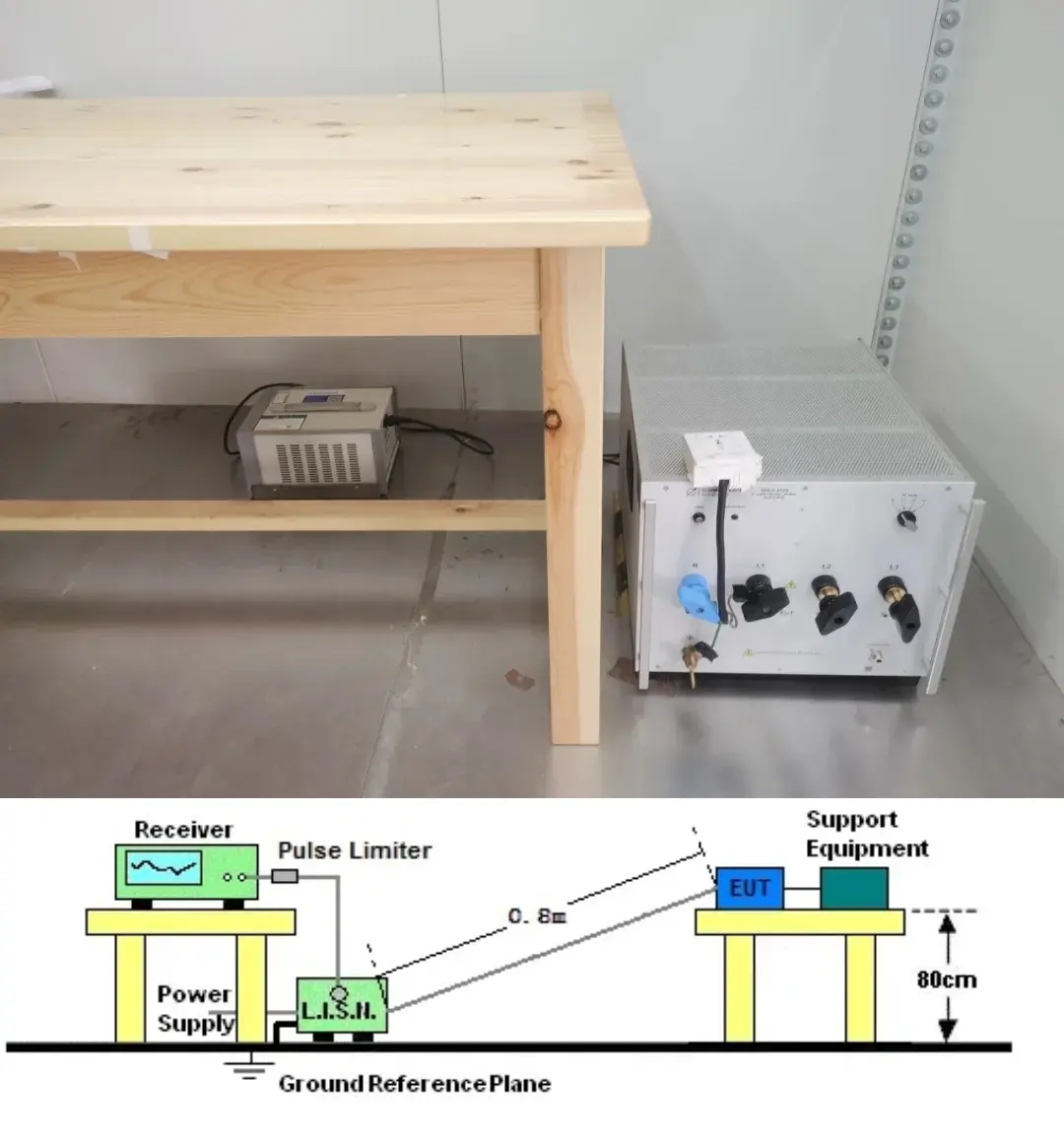
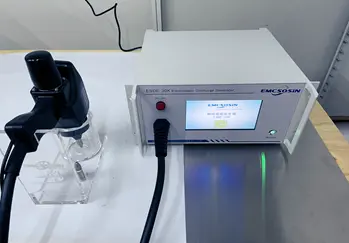
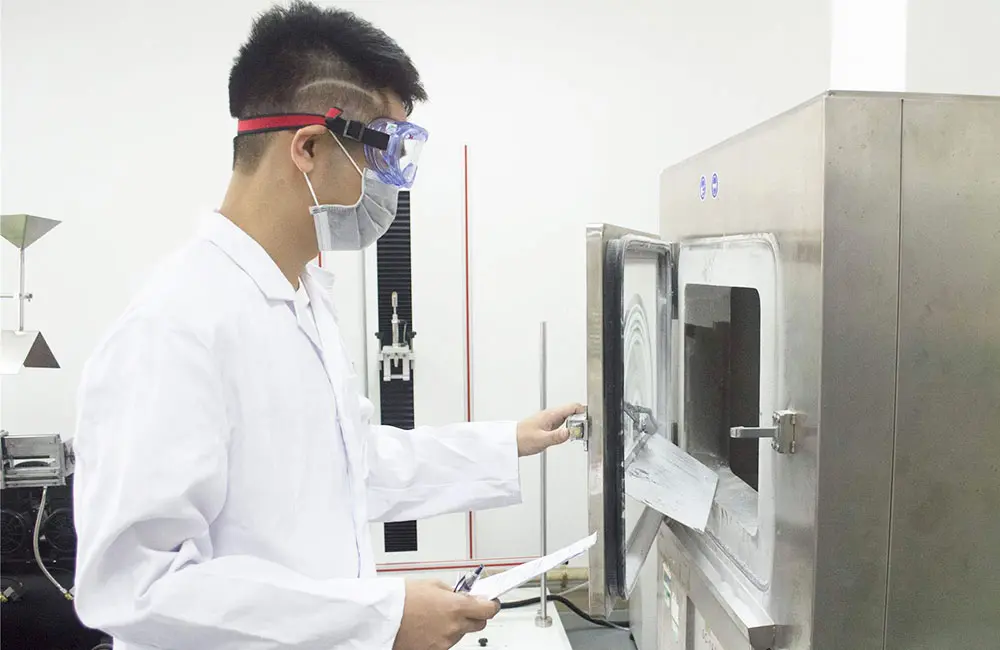
4. Product Testing at an Accredited Laboratory: The product must pass a series of tests, including but not limited to hazardous substance tests, safety tests, emc tests, etc.
5. Review Documents and Issue KC Mark Certificate: If the product passes all tests and meets all requirements, a kc certificate will be issued.
Required Documentation
1. Product manual
2. Technical documentation
3. Design drawings
4. Quality control documents
5. Test reports
KC Certification Costs
KC certification costs vary depending on the product type, number of required tests, and the certification body. Here are some basic cost components:
1. Safety Test Fees: Test fees vary depending on the product.
2. Certificate and Service Fees: Approximately 110,000 KRW.
3. Factory Inspection Fees: The initial inspection fee is around 700,000 KRW.
4. Regular Fees: These include annual factory inspection fees and product sampling fees. Factory inspection fees are about 650 USD (once a year), and product sampling fees depend on the product type and quantity.
5. Modification Application Fees: If certification information needs to be changed, such as factory address changes or adding derived models, additional fees will apply. The re-certification fee is approximately 70,000 KRW.
Please note that the above costs are for reference only. Actual fees may vary due to exchange rate fluctuations, product characteristics, and specific requirements from the certification body. Additionally, if the product does not pass the tests on the first attempt, further corrections and re-testing may be required, which will add extra costs.
To ensure a smooth KC certification process, it is recommended to contact a professional certification service provider for detailed quotations and guidance. This will help ensure that all preparations meet the requirements and can save you time and resources. If you need more detailed information or specific guidance, please consult a professional KC certification service agency.
Email:hello@jjrlab.com
Write your message here and send it to us
 What is LFGB Certification Meaning
 EU Food Contact Materials (FCM) EC 1935/2004 Stand
 LFGB Germany Food Contact Materials Official
 Australia & New Zealand RCM Registration Requi
 Japan MIC Wireless Certification Testing
 Canada RSS-247 Testing Lab
 LVD and EMC Testing for Power Adapters
 IEC 62133-2 Lithium Battery Testing Laboratory
Leave us a message
24-hour online customer service at any time to respond, so that you worry!