



In Vitro Cytotoxicity Test for Biomedical Devices
To avoid potential hazards during human contact and ensure the safety of medical devices in clinical research, manufacturers shall conduct biocompatibility evaluations in accordance with ISO or GB/T standards after validating physical/chemical properties, processability, and appearance, so as to minimize risks. In vitro cytotoxicity tests are universal and widely applied for the evaluation of various medical devices and materials.
Cytotoxicity Test
in vitro cytotoxicity testing uses established cell lines to determine cell lysis (death), growth inhibition, and other effects caused by devices, materials, or their extracts.
It serves as a basis for deciding whether to conduct in vivo tests and for dose design in in vitro genotoxicity cytogenicity assays.
Sensitive to toxic substances with good reproducibility, it rapidly detects impacts on cellular metabolism and enables efficient material screening.
Test Methods
Direct Contact Methods
• Extract direct contact method
• Sample direct contact method
Indirect Contact Methods
• Agar diffusion method, Membrane filter diffusion method
• Commonly used for cytotoxicity evaluation of dental medical devices
Test Flow
• Direct contact test
○ Extract direct contact test
○ Sample direct contact test
• Indirect contact test
Main Cytotoxicity Method & Procedures
MTT (Thiazolyl Blue) Colorimetric Assay
Measures cell viability – percentage of live cells in total cell population (quantitative method).
Living cells reduce MTT to water-insoluble blue-purple Formazan crystals; dead cells do not.
Isopropanol dissolves Formazan crystals. Color intensity is proportional to Formazan concentration.
Absorbance is measured at 570 nm using a microplate reader: higher concentration = higher absorbance.
Test Procedures
1. Preparation of test and control samples
2. Cell culture preparation
3. Sample application and incubation for 24 h
4. MTT addition and absorbance measurement
5. Data analysis and judgment
Result Evaluation & Interpretation
Result Evaluation
Qualitative Evaluation
Assesses changes in general morphology, vacuolization, detachment, cell lysis, and membrane integrity.
Quantitative Evaluation
Measures cell death, growth inhibition, proliferation, or colony formation;
evaluates cell count, total protein, enzyme release, vital dye uptake/reduction.
Result Interpretation
A positive cytotoxicity result does not automatically disqualify clinical application.
Cytotoxicity data must be comprehensively evaluated with:
• Physicochemical characterization of materials
• Product composition
• Intended use
If toxicity is observed, further evaluation may include:
• Limitations of the test system
• Extract analysis (sample adsorption, sterilization adaptability, nanoparticle release, etc.)
• Dilution concentration–response analysis
• Leachable substances study
• Comparison with results from equivalent marketed products
• Other rational methods
JJR LAB
JJR LAB holds national CMA and CNAS accreditations plus an Experimental Animal License.
We have:
• Over 20,000 ㎡ of office and laboratory space
• More than 13,200 ㎡ of animal test facility
The laboratory strictly operates in compliance with RB/T 214, ISO 17025, ISO 9001, cGMP, and GLP management systems.
One‑Stop Service Coverage
Active & Passive Medical Devices
• Physicochemical characterization
• Leachables & drug adsorption studies
• Preclinical large animal studies
• Packaging integrity validation
• Physicochemical & microbiological testing
• Active device safety testing
• Environmental & emc testing
• Cleaning & sterilization validation
• Implant fatigue performance validation
• Biomechanical analysis
• Regulatory registration & device R&D
Covered Products
• Electrical equipment for measurement, control, laboratory use
• Electric operating tables, hospital beds, home‑care medical electrical systems
• Heating pads / thermal therapy devices
• In Vitro Diagnostic (IVD) systems & devices
• Non‑invasive automated sphygmomanometers
• Automatic circulatory non‑invasive blood pressure monitors
• Multi‑parameter patient monitors
• Holter systems, ECG electrodes, ECG monitors, electrocardiographs
• Electronic clinical thermometers, medical heating blankets / mattresses
We support rapid market access for:
Infusion nursing devices, surgical sutures, medical ultrasound gel, medical & health supplies, surgical instruments, medical catheters, passive surgical implants, aesthetic medicine, medical polymers, respiratory & anesthesia devices, orthopedics, dentistry, urology, and more.
Email:hello@jjrlab.com
Write your message here and send it to us
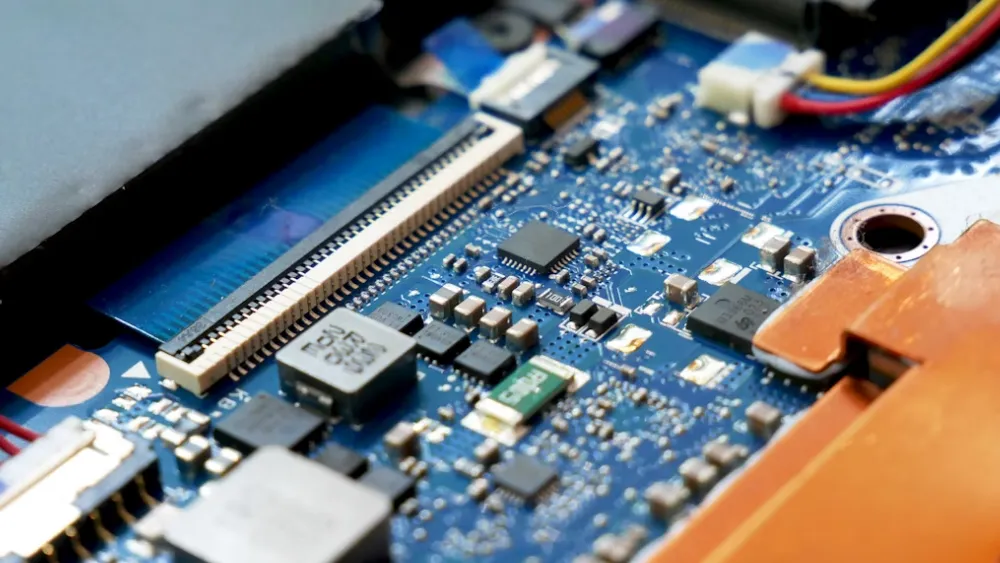 Japan MIC Wireless Certification Testing
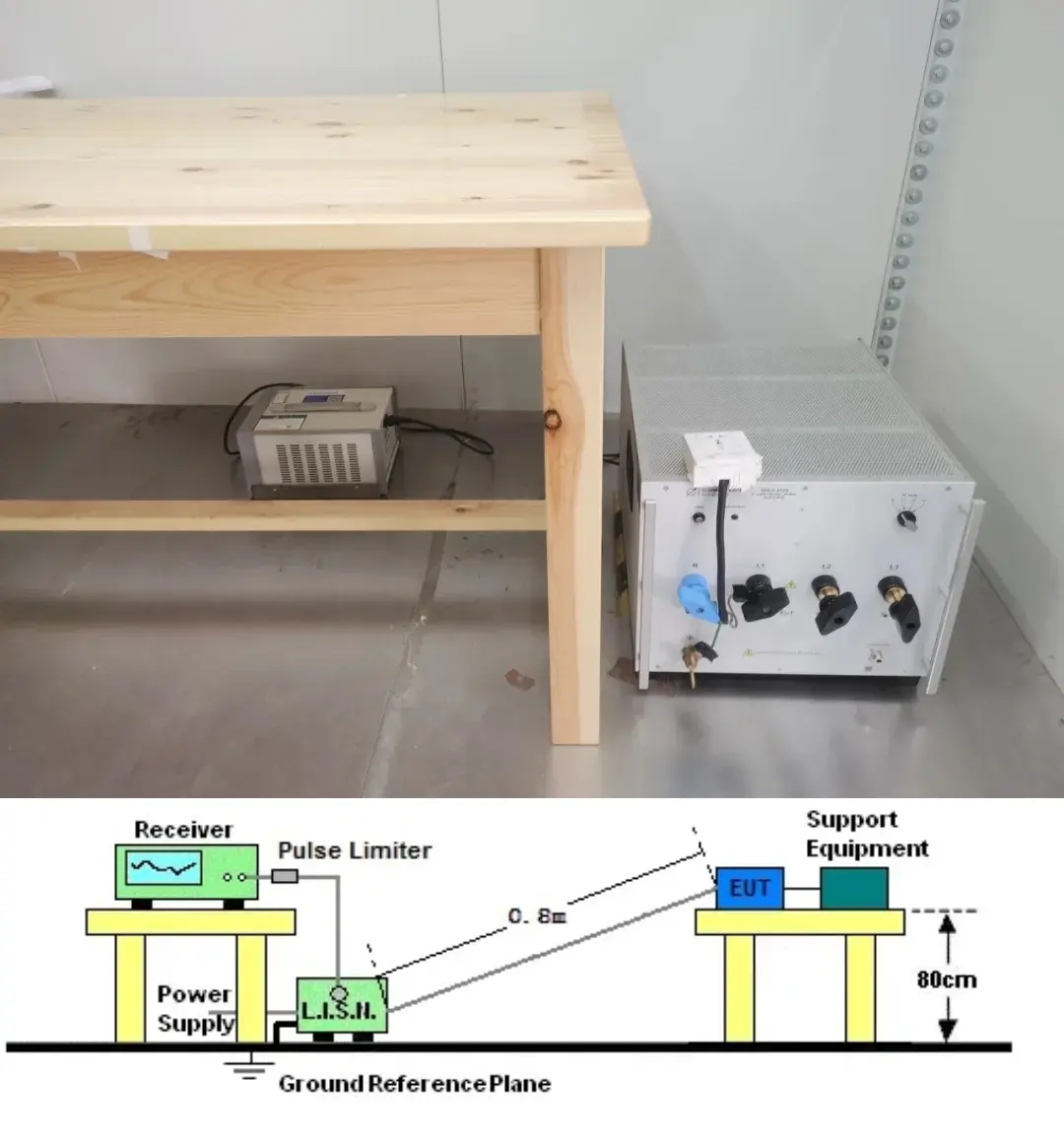 Canada RSS-247 Testing Lab
 LVD and EMC Testing for Power Adapters
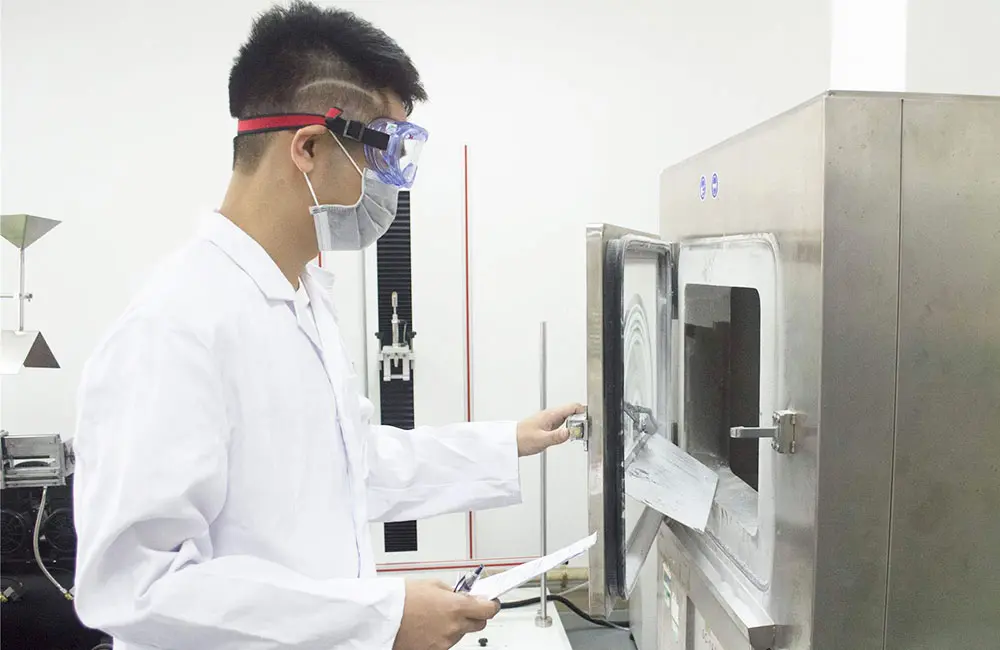 IEC 62133-2 Lithium Battery Testing Laboratory
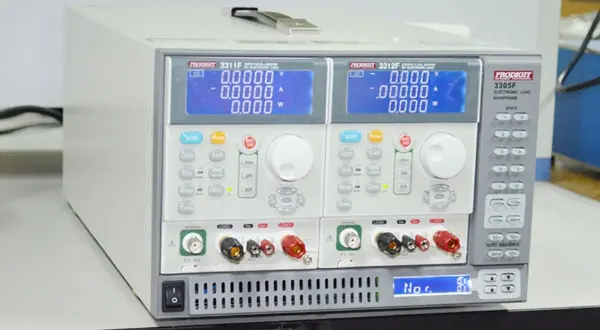 EN 55032 and EN 55035 Testing Laboratory
 FCC ID testing lab for Bluetooth earbuds
How to get an FCC ID and How Much Does It Cost
What is the EN 300 328 Testing Standard
FCC ID testing lab for Bluetooth earbuds
How to get an FCC ID and How Much Does It Cost
What is the EN 300 328 Testing Standard
Leave us a message
24-hour online customer service at any time to respond, so that you worry!