



Home Appliance GCC & SABER Certification in Saudi Arabia
According to the Gulf Cooperation Council (GCC) Standardization Organization (GSO)
All regulated products must bear the GCC (G-mark) label. Products with this label can circulate and be traded more easily among GCC member states.
According to the Saudi Standards, Metrology and Quality Organization (SASO) regulations, home appliances are regulated products. They must be registered on the SABER platform and obtain both the Product Certificate (PC) and the Shipment Certificate (SC) before they can be sold in the Saudi market.
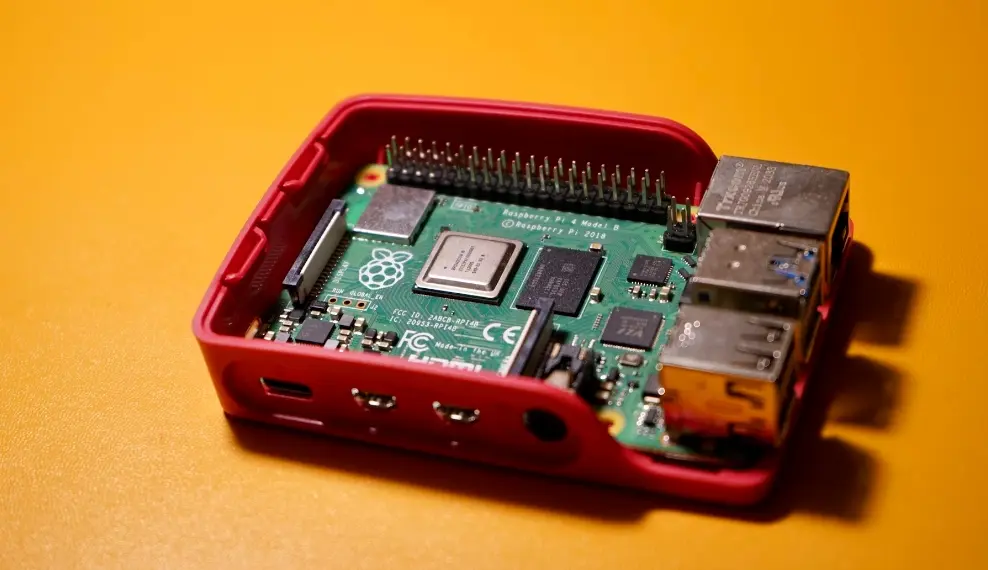
Below is an overview of how to apply for gcc certification and SABER certification for home appliances.
Scope of GCC-Regulated Home Appliance Products
Household electric fans
Microwave ovens
Refrigerators/freezers and other domestic refrigeration appliances with a capacity not exceeding 30 cubic feet
Other stoves; electric cookers, hot plates, heating rings, grills, and ovens
Centrifugal clothes dryers/washing machines, including washer-dryer combinations with a washing capacity not exceeding 12 kg
Electric instantaneous or storage water heaters, immersion-type liquid heaters
Food grinders and blenders / fruit or vegetable juicers
Electric irons
Household toasters
Electric hairdressing appliances and hand dryers
Air conditioners
Domestic electric heating appliances
All the above regulated products must first obtain gcc certification before applying for SABER certification.
GCC Certification Process
The manufacturer provides product documentation (manual, circuit diagram, customs code), samples, and a G-mark certification application form.
The certification body reviews the documents. Based on GCC technical regulations, our laboratory evaluates product safety and electromagnetic compatibility (EMC), determines applicable test standards, and conducts testing.
After testing is completed, the certification body prepares and reviews the report, registers the product in the GSO database, and assigns a product registration number.
The certification body issues the G-mark certificate and authorizes the client to use the G-mark label on the product.
Important Notes for GCC Certification
(a) CB and emc test reports within three years of validity can be used for the application. The certification body will review whether there are any national deviations and if the reports meet requirements.
(b) No factory audit and no annual fee are required. The G-mark certificate is valid for three years from the date of issuance.
(c) The user manual must be in both English and Arabic.
(d) After obtaining the G-mark, additional customs clearance documents must be applied for when exporting to the seven GCC countries.
SABER Certification Process for Home Appliances
The importer registers an account on SABER: www.saber.sa.
For home appliances under GCC regulation, submit the GCC certificate; for non-regulated appliances, submit the IEC test report to apply for a Product Certificate (PC) in the SABER system.
Before shipment, apply for a Shipment Certificate (SC) for each batch.
Documents Required for SABER Registration
Clear product images (front, back, right side, left side, nameplate, etc.)
Customs code (HS code)
Product name and model
Manufacturer’s name and address
Brand name
Country of origin
Outer carton photo showing “MADE IN CHINA” clearly
Test report
Testing Standards for Home Appliances
Email:hello@jjrlab.com
Write your message here and send it to us
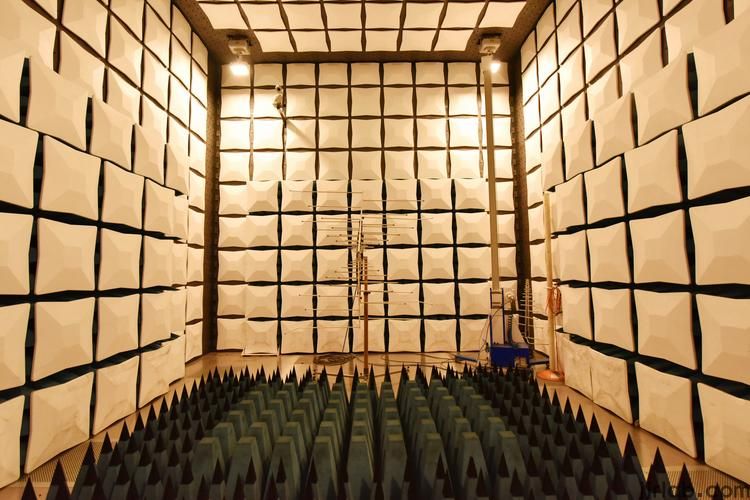 How to get an EN 301 893 test report?
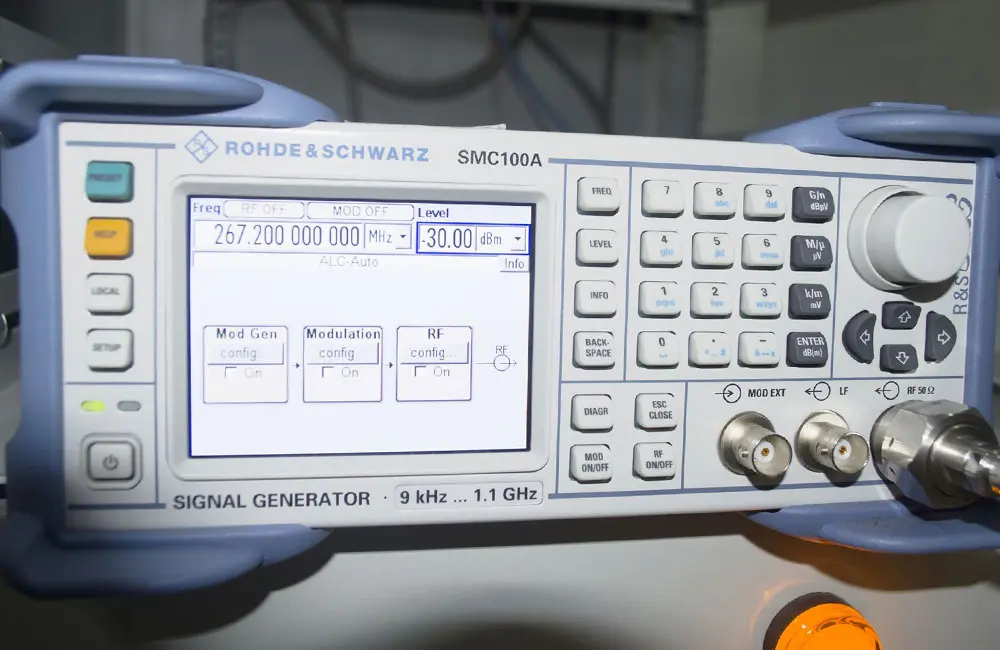 What is EN 301 893 Certification Compliance
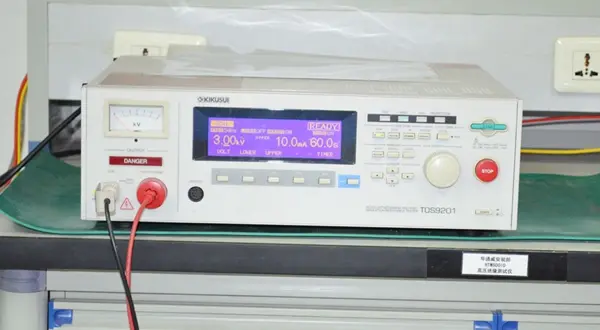 What is the CSA 62368-1 Standard?
 Canadian Pacifier Compliance SOR/2016-184
 US Agent for FCC & EC REP for CE: Compliance R
 What is Recycling of WEEE
 What is PPWR Packaging Compliance
What is Extended Producer Responsibility
What is PPWR Packaging Compliance
What is Extended Producer Responsibility
Leave us a message
24-hour online customer service at any time to respond, so that you worry!