



What is the EN 62321 Test Report?
The European Union's ROHS Testing standard IEC 62321 outlines the testing methods for hazardous substances in electronic and electrical products. This standard primarily focuses on detecting harmful substances such as lead (Pb), mercury (Hg), cadmium (Cd), hexavalent chromium (Cr(VI)), and brominated flame retardants like polybrominated biphenyls (PBBs) and polybrominated diphenyl ethers (PBDEs). By adhering to this standard, manufacturers can ensure their products comply with the EU's RoHS directive, which restricts the use of certain hazardous substances in electronic and electrical equipment.
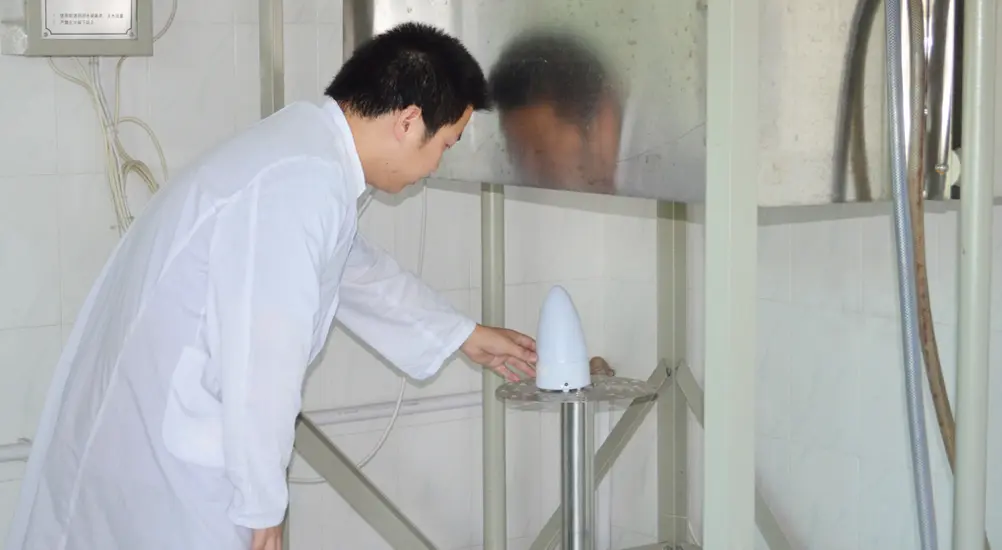
Scope of RoHS Product Testing
rohs testing applies to the following categories of products:
- Large household appliances
- Small household appliances
- Information technology and telecommunications equipment
- Consumer equipment
- Lighting equipment
- Electrical tools
- Toys, leisure, and sports equipment
- Medical devices
- Monitoring and control equipment
- Automatic dispensers
- Other electronic and electrical equipment not covered by the above categories
EU RoHS Directive Overview
The EU RoHS Directive (2011/65/EU) came into effect on January 2, 2013, replacing the original RoHS 1 directive (2002/95/EC). The directive mandates:
- The ce marking on electronic and electrical equipment (EEE).
- A declaration of conformity by manufacturers.
- A requirement for a technical file, which includes materials, components, and EEE test data or proof of compliance with the harmonized standards published in the EU's Official Journal.
It's important to distinguish between the technical file required by the directive and the analytical testing methods described in the EN 62321-X series, which are used for material and substance analysis.
To date, the only recognized harmonized standard for RoHS 2 compliance is EN 50581.
Key Substances in Updated EU ROHS certification
The updated EU RoHS certification targets six key hazardous substances in electronic and electrical products due to their potential harm to human health and the environment:
1. Lead (Pb) - Limit: 0.1% (1000 mg/kg)
2. Mercury (Hg) - Limit: 0.1% (1000 mg/kg)
3. Cadmium (Cd) - Limit: 0.01% (100 mg/kg)
4. Hexavalent Chromium (Cr(VI)) - Limit: 0.1% (1000 mg/kg)
5. Polybrominated Biphenyls (PBBs) - Limit: 0.1% (1000 mg/kg)
6. Polybrominated Diphenyl Ethers (PBDEs) - Limit: 0.1% (1000 mg/kg)
Additionally, restrictions on four phthalates were introduced:
- Di(2-ethylhexyl) phthalate (DEHP): 0.1% (1000 mg/kg)
- Dibutyl phthalate (DBP): 0.1% (1000 mg/kg)
- Benzyl butyl phthalate (BBP): 0.1% (1000 mg/kg)
- Diisobutyl phthalate (DIBP): 0.1% (1000 mg/kg)
Notable Points for Updated RoHS Compliance
1. Scope: The updated RoHS certification applies to all electronic and electrical products, including white goods, black goods, power tools, and medical equipment. Manufacturers must ensure their products meet these standards to access the EU market.
2. Testing Methods: Advanced techniques such as X-ray fluorescence spectroscopy (XRF) or energy-dispersive X-ray spectroscopy (EDX) are used for quick and accurate detection of the six hazardous substances.
3. Conformity Assessment: Manufacturers must provide:
- A declaration of conformity
- A technical file with test data
- Evidence of compliance, including type testing and random sampling inspections.
4. Labeling and Marking: Products must have a ce marking, specifying the relevant directive and standards. Product manuals must also include information about the content of hazardous substances, promoting environmental transparency.
Services Provided by JJR Testing
1. svhc Testing: Identification and reporting of Substances of Very High Concern (SVHC) under the REACH directive. This includes substances harmful to the ozone layer, carcinogens, and toxic substances.
2. Substance Registration: Evaluation and reporting of chemicals through registration under the REACH directive to ensure safety for human health and the environment.
3. Chemical Restrictions: Testing to ensure compliance with REACH and RoHS limits for hazardous substances, such as lead, mercury, cadmium, and hexavalent chromium.
4. Environmental Persistence and Bioaccumulation Testing: Assessment of chemicals' environmental durability and potential bioaccumulation risks under the REACH directive.
5. Persistent Organic Pollutants (POPs) Testing: Testing for restricted substances with long-term environmental and toxicological impacts, as regulated by the EU.
The outlined testing requirements and certifications are subject to updates based on evolving regulations. For specific product or substance-related inquiries, it’s advisable to consult a professional testing agency, such as Santong Testing, for the latest guidance and compliance solutions.
Email:hello@jjrlab.com
Write your message here and send it to us
 What is UL 1642 Compliance Certification?
 What Is Amazon's UL 60335 Standard
 How to get a UL 60335 Test Report
 What is UL 60335 Certification Compliance?
 What is EN 61000 Certification Compliance?
 How to get an EN 61000 Test Report?
 What is the Amazon EN 55035 Standard?
 What is EN 55035 Certification Compliance?
Leave us a message
24-hour online customer service at any time to respond, so that you worry!