



What is WEEE certification?
WEEE stands for Waste Electrical and Electronic Equipment, which refers to the directive for recycling discarded electronic devices. In 2002, the European Union enacted two directives, WEEE (Waste Electrical and Electronic Equipment Directive) and RoHS (Restriction of Hazardous Substances Directive), to properly manage the vast quantities of electronic waste while recovering valuable resources.
Products Requiring weee certification:
In Germany, weee registration primarily targets a specific category of products. According to official documentation, the weee directive applies to 10 categories of electrical and electronic equipment:
1. Large household appliances
2. Small household appliances
3. IT and telecommunications equipment
4. Consumer electronics
5. Lighting equipment
6. Electrical and electronic tools (excluding large fixed industrial tools)
7. Toys, leisure, and sports equipment
8. Medical devices
9. Monitoring and control instruments
10. Vending machines
Scope of WEEE Certification:
This certification is applicable in several countries, including Austria, Belgium, Cyprus, Czech Republic, Denmark, Estonia, Finland, France, Germany, Greece, Hungary, Italy, Ireland, Latvia, Lithuania, Luxembourg, Malta, Netherlands, Poland, Portugal, Slovakia, Slovenia, Spain, Sweden, United Kingdom, Bulgaria, Romania, Croatia, and Turkey.
Which Appliances Need WEEE Registration and How Are They Classified?
1. Refrigeration and heating equipment, such as refrigerators, air conditioners, and dehumidifiers.
2. Devices with screens or screens larger than 100 square centimeters, such as TVs, advertising screens, and medical equipment.
3. Lighting equipment, such as desk lamps and LED lights.
4. Large electrical and electronic equipment, such as sports equipment and communication devices.
5. Small electrical and electronic equipment, such as LED flashlights, LED light strips, wake-up lights, makeup mirrors, cameras, electronic alarm clocks, electronic toys, adapters, kitchen electronic scales, drones, pet electronic products, tire pressure gauges, wireless chargers, travel chargers, data cables, hoverboards, electric mosquito swatters, headphones, night lights, curling irons, electric toothbrushes, electric shavers, vacuum cleaners, mosquito repellent lights, and Bluetooth thermometers.
6. Small communication devices, such as mobile phones and navigation devices.
7. Applies to businesses and all companies offering or selling electronic products in Germany (including cross-border sellers such as Amazon and eBay).
Email:hello@jjrlab.com
Write your message here and send it to us
 What is EN 61000 Certification Compliance?
 How to get an EN 61000 Test Report?
 What is the Amazon EN 55035 Standard?
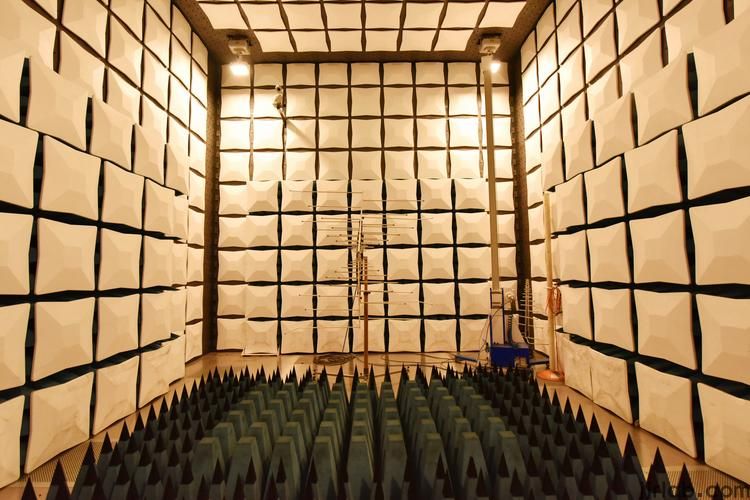 What is EN 55035 Certification Compliance?
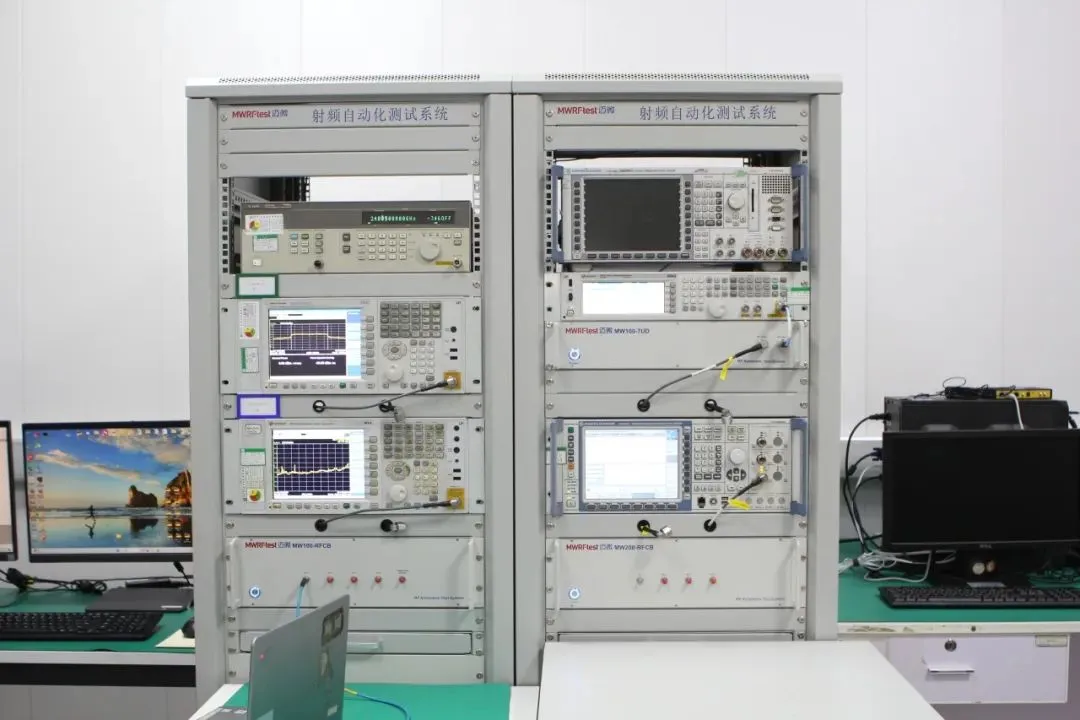 How to get the EN 55035 Test Report?
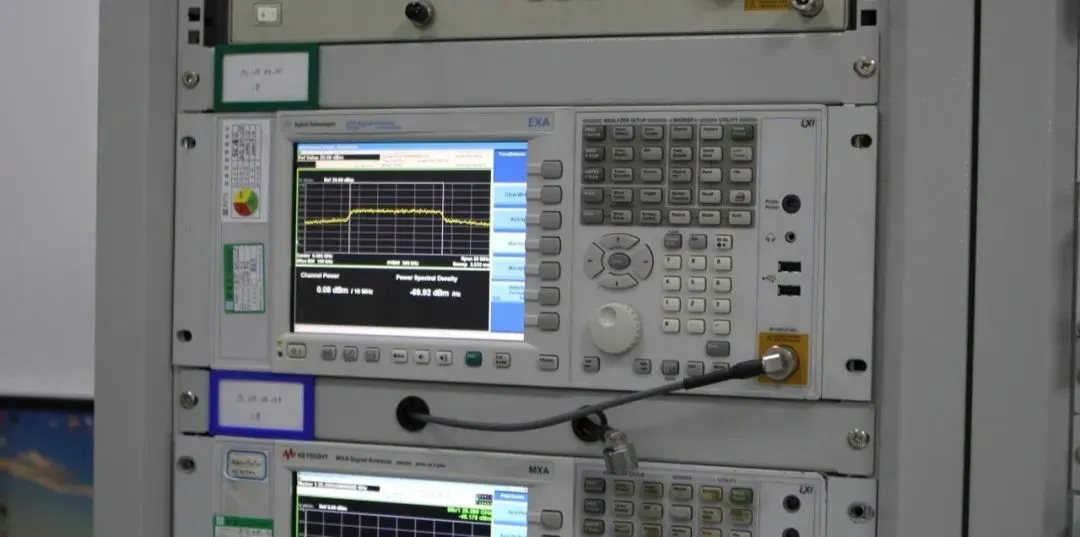 What is the Amazon EN 301 489 Standard?
 How to get an EN 301 489 Test Report?
 What is EN 301 489 Compliance Certification?
Leave us a message
24-hour online customer service at any time to respond, so that you worry!