



Amazon US Lithium-Ion Battery Appliance UL Compliance
The mandatory removal deadline for lithium battery appliances on Amazon US is August 30, 2026. The compliance verification policy, launched on June 30, has entered its final sprint. Small household appliances equipped with rechargeable lithium batteries must complete the full TIC compliance verification before this deadline. Otherwise, the platform will directly remove the corresponding ASINs, freeze FBA inventory, and zero out second-half peak season sales.
Many sellers of cordless vacuum cleaners, rechargeable juicers, and lithium battery hairdressing equipment are stuck in the review process due to unclear standards or incomplete materials. Based on official platform rules, this article breaks down the product scope, mandatory UL standards, required compliance documents, key pitfalls, and two execution paths to help sellers quickly achieve compliance.
Check if Your Product is on the Mandatory Control List
This policy strictly targets household appliances equipped with rechargeable lithium batteries, specifically: Lithium-Ion (Li-Ion), Lithium Polymer (LiPo), and Lithium Iron Phosphate (LiFePO₄). It covers four core categories:
Four Controlled Categories
Cleaning Appliances: Cordless vacuum cleaners, floor washers, scrubbers, and steam cleaners.
Kitchen Appliances: Blenders, juicers, food processors, slicers, meat grinders, grinders, electric knives, and milk frothers.
Environmental Control Appliances: Air purifiers, humidifiers, dehumidifiers, and desktop/car/camping rechargeable fans.
Personal Care Appliances: Cordless curling brushes, curling irons, hair straighteners, and lithium battery hair dryers.
Exempted Products (No UL Compliance Required)
NiMH/NiCd battery appliances, disposable dry battery products, pure AC plug-in devices, heavy-duty commercial appliances, power tools, and gardening equipment. Digital products like smartphones, tablets, and Bluetooth speakers, as well as micro-appliances like clocks, remote controls, and body scales, are exempt. Sellers do not need to incur extra testing costs for these.
Core Standards Checklist: Device + Charger + Battery (All Three Required)
Amazon strictly requires every compliant product to pass three sets of tests simultaneously: the device UL standard, charger UL standard, and lithium battery safety standard. Missing any single item will result in a direct rejection.
1. Device-Specific UL Standards
Floor steam cleaners: UL 499 (Safety standard for heating appliances)
Vacuum cleaners & floor washers (non-steam): ul 1017
Kitchen electric appliances (juicers, blenders, food processors, etc.): UL 982
Humidifiers: UL 998
Air purifiers & rechargeable fans: UL 507
Beauty & care appliances (curling irons, straighteners, lithium hair dryers): ul 859
Electric massage equipment: ul 1647
2. Lithium Battery Charger Standards (Choose One)
Select one based on the charger's power supply type for the test report: UL 1012, ul 1310, UL 60335-2-29, or ul 62368-1.
3. Mandatory Lithium Battery Dual Requirements (No Alternatives)
Battery safety standard (Choose one): ul 1642, ul 2054, or UL 62133-2.
Mandatory transport test: UN 38.3 full testing and the accompanying BTS (Battery Test Summary) document. This is a strict prerequisite for lithium battery compliance.
Four Essential Compliance Documents (All Required for TIC Verification)
Amazon has removed the channel for sellers to independently upload reports. All materials must now be verified by a platform-authorized third-party TIC (Testing, Inspection, and Certification) agency and uploaded directly to the backend. The following four documents must be complete:
Full UL Safety Test Reports: Must cover the device, charger, and lithium battery standards. The laboratory must hold ISO 17025 accreditation, and reports must be issued within the last 12 months.
UN 38.3 Transport Test Report + BTS Document: Applies to all products with built-in lithium batteries to prove cell transport safety. Required for ocean freight, air freight, and FBA stocking.
COI (Certificate of Insurance): Must be uploaded to Seller Central in advance. A lack of insurance records will immediately halt the compliance review process.
Amazon-Authorized TIC Verification Record: Standard reports from CNAS or A2LA labs are not directly valid. They must be submitted to a platform-approved TIC agency for secondary verification.
Two Compliance Execution Paths (Choose Based on Needs)
With the August 30 mandatory removal deadline fast approaching, sellers should choose one of two paths based on their existing documents. Always check report validity first:
Path A: Possess Full Valid Test Reports (Time-Saving & Low-Cost)
If you hold standard-compliant ul reports and UN 38.3 documents issued by an ISO 17025 lab within the last 12 months, no re-testing is needed. Simply submit the documents for review. Risk Warning: Reports from the same period last year have likely expired. Expired reports are invalid and cannot use the simplified review channel.Path B: No Compliance Reports / New Products (Start Testing Immediately)
Sellers with new listings, expired reports, or mismatched standards must immediately send samples to a compliant lab for full testing (device, charger, and battery). Concurrently handle UN 38.3 and insurance, then submit for TIC verification. Testing schedules are currently tight; delays will cause you to miss the deadline and suffer inventory removal losses.
Three Major Compliance Pitfalls Trapping 90% of Sellers (Must Avoid)
Pitfall 1: Testing the Device Only, Ignoring the Charger & Battery
Many sellers only test the main device to get a UL report and are directly rejected. Chargers and lithium batteries are independent safety units requiring separate test reports. Cells additionally require UN 38.3 + BTS documents. All three are irreplaceable.Pitfall 2: Ignoring the 12-Month Report Validity Rule
Amazon clearly states that all test reports must be issued within the last 12 months. Outdated reports are invalid. Using older reports wastes review time and delays the rectification cycle.Pitfall 3: Choosing the Wrong Lab (Reports Not Recognized by Amazon)
Not all CNAS-accredited labs can issue platform-recognized reports. Only documents issued by Amazon-authorized TIC agencies or confirmed via secondary TIC verification are valid. Blindly choosing small labs risks passing tests but failing Amazon's review, wasting both money and time.
5-Step Emergency Compliance Checklist (Actionable Today)
Category Screening: Verify your store's ASINs one by one. Distinguish controlled lithium appliances from exempted products, and flag listings requiring compliance.
Standard Matching: Use the UL standards checklist to pinpoint full test standards for the device, charger, and battery. Fulfill UN 38.3 transport test requirements.
Validity Verification: Organize existing test reports. Check issue dates and the lab's ISO 17025 accreditation to separate valid from expired files.
Insurance Filing: Upload your COI (Certificate of Insurance) to Seller Central in advance to complete basic insurance verification.
Complete TIC Verification: If reports are valid, use the document review channel. If lacking reports, send samples for testing immediately. The time window is tight; do not delay.
Final Reminder
The August 30 mandatory removal deadline is irreversible. Once an ASIN is removed, FBA inventory cannot be sold, replenished, or transferred, leading to massive losses in peak season traffic and inventory costs. Sellers in the four major categories (cordless cleaning, kitchen appliances, portable fans, and lithium hairdressing devices) must prioritize this compliance process. Prepare the full set of UL reports, UN 38.3 documents, and insurance certificates, and complete verification through an authorized TIC agency to safeguard your annual sales peak on Amazon US.
Email:hello@jjrlab.com
Write your message here and send it to us
 Australia RCM Certification for Radio Devices
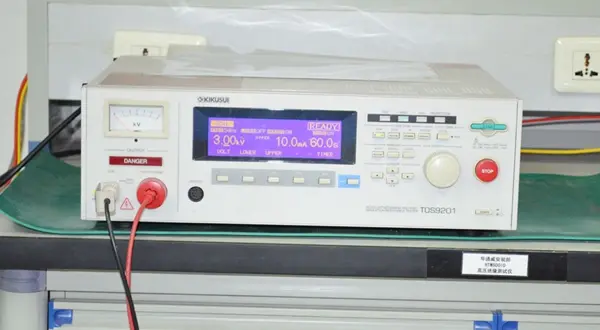 RED Cybersecurity EN 18031 Standard
 Compliance Testing for EMC
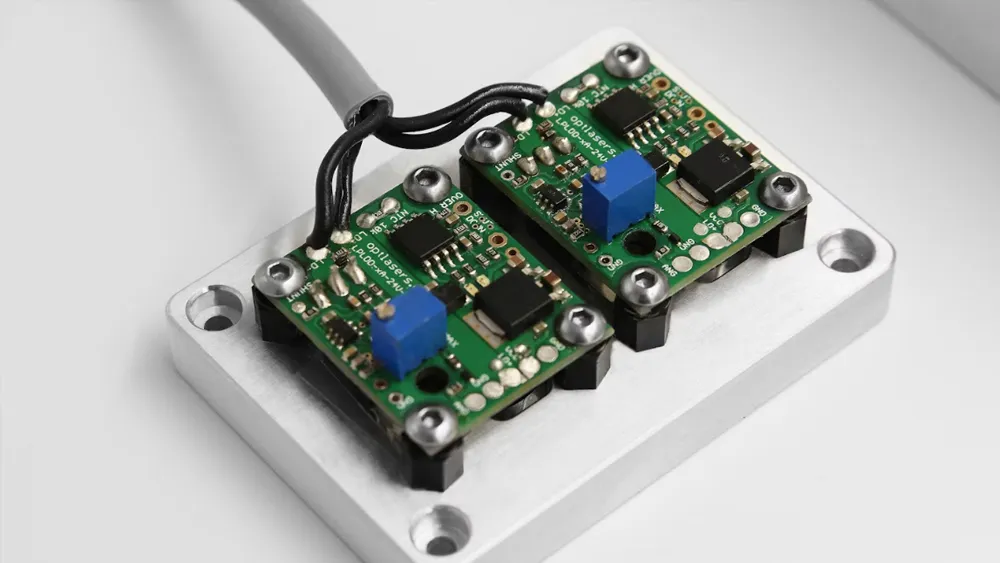 What is Amazon Toy Compliance?
 What is Cytotoxicity ISO 10993-5
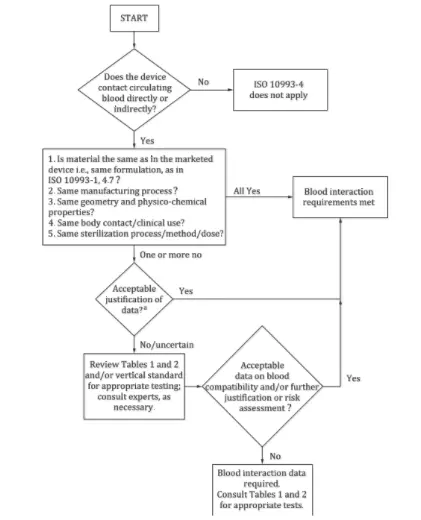 What is Hemocompatibility Testing ISO 10993?
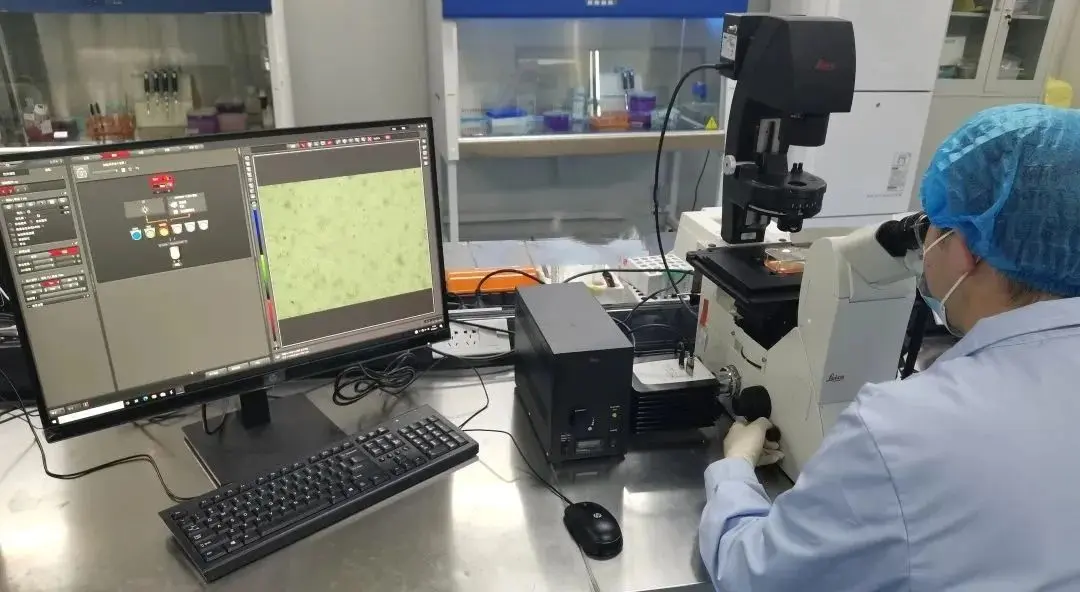 What is ISO 10993-5 Tests for In Vitro Cytotoxicit
Electronic Product IEC 62368-1 Safety Testing
What is ISO 10993-5 Tests for In Vitro Cytotoxicit
Electronic Product IEC 62368-1 Safety Testing
Leave us a message
24-hour online customer service at any time to respond, so that you worry!