



Compliance Testing for FM/AM/DAB/DMB Broadcast Receivers
Broadcast receivers cover FM (Frequency Modulation), AM (Amplitude Modulation), DAB (Digital Audio Broadcasting) and DMB (Digital Multimedia Broadcasting).
① FM (Frequency Modulation) operates in the shortwave band and transmits analog signals.
② AM (Amplitude Modulation) works in the medium-wave band and transmits analog signals.
③ DAB (Digital Audio Broadcasting) relies on digital communication signals and supports transmission of diverse signal types including high-fidelity audio.
④ DMB (Digital Multimedia Broadcasting) is an upgraded version of DAB that delivers multimedia services.
Testing for FM/AM/DAB/DMB broadcast receivers must cover multiple dimensions: RF performance, audio quality, function verification, environmental adaptability, and regulatory certification. Below is a systematic testing protocol.
RF Performance testing
1.1 Reception Sensitivity
Method: Input the minimum usable signal (e.g., 10μV for AM; -90dBm for DAB) via a signal generator to verify the receiver’s stable demodulation capability.
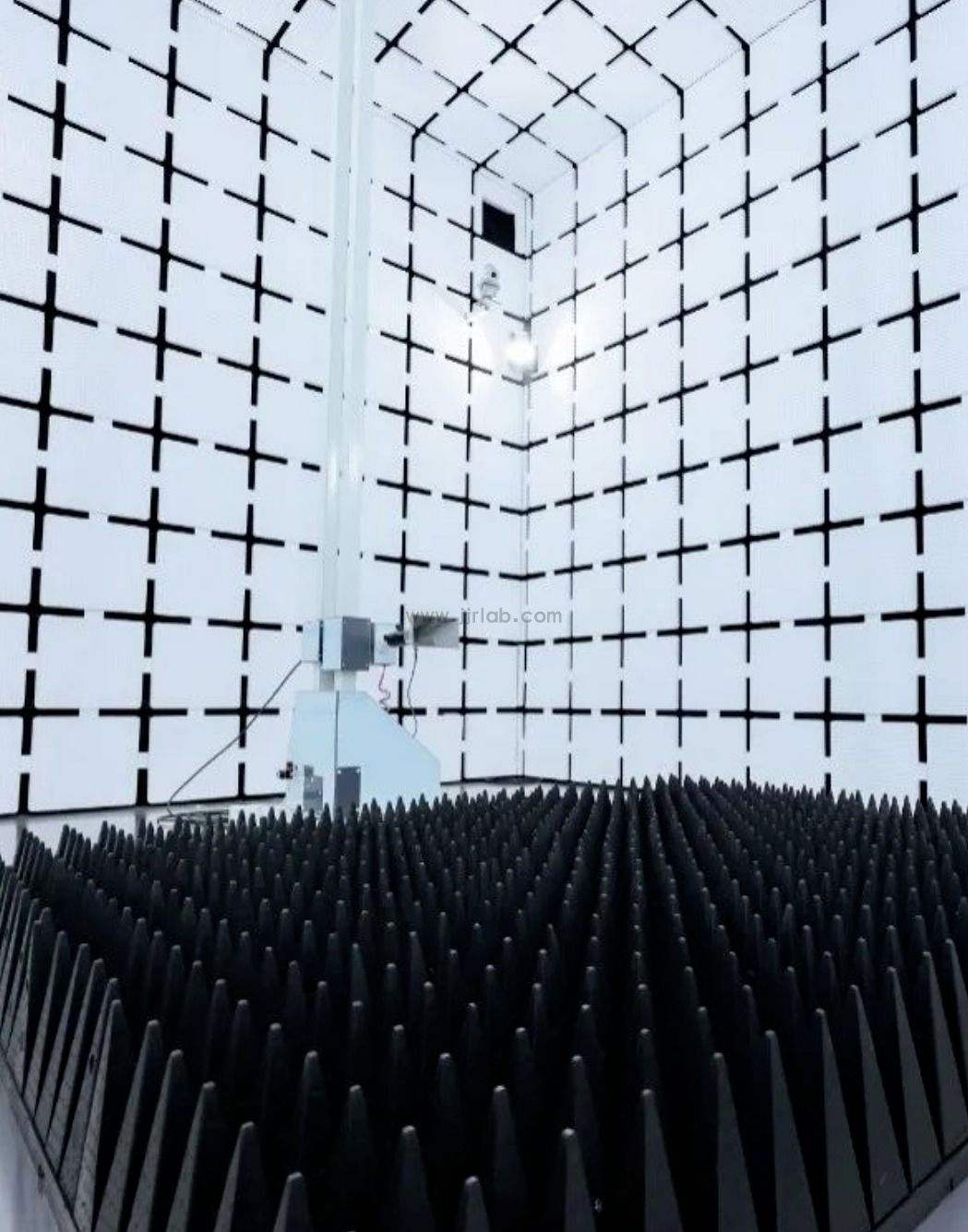
Tools: RF signal generator, anechoic chamber.
1.2 Selectivity (Anti-interference)
Adjacent/Co-channel Interference: Inject interference signals at ±10kHz of the target frequency (for AM) or adjacent channels (for DAB) to test the receiver’s suppression capability.
Metrics: AM shall meet a suppression ratio of >40dB at ±9kHz; DAB shall comply with the ETSI EN 302 077 standard.
1.3 Frequency Coverage and Stability
Band Coverage: Verify full-band tunability of medium wave (530–1600kHz), AM, and DAB (174–240MHz) bands.
Frequency Error: Use a frequency counter to measure local oscillator stability. The error shall be <±1kHz (for analog signals) or comply with digital broadcasting standards.
Audio Quality Testing
2.1 Objective Metrics
① Signal-to-Noise Ratio (SNR): >40dB for AM; >60dB for DAB (uncompressed audio).
② Total Harmonic Distortion (THD): <1% at rated output.
③ Frequency Response: 200Hz–3kHz (±3dB) for AM; 20Hz–15kHz for DAB (depending on encoding format).
2.2 Subjective Listening Evaluation
Test Scenario: Play standard test audio (e.g., human voice, music) and conduct blind scoring by professional evaluators.
Key Focus Areas: Latency in digital broadcasting; background noise in analog broadcasting.
Functionality and Compatibility Testing
3.1 Core Function Verification
① Automatic Station Search: Test full-band scanning speed and storage accuracy (e.g., automatic Ensemble recognition for DAB).
② Multi-mode Switching: Verify seamless transition between AM and DAB modes without muting or popping sounds.
③ Additional Functions: RDS (if applicable), Electronic Program Guide (for DAB), scheduled power on/off, etc.
3.2 Compatibility Testing
① Mixed Signal Scenario: Simulate weak DAB signal conditions to test if the receiver automatically switches to AM (if equipped with hybrid reception function).
② Data Services: Verify normal decoding of DAB text information and real-time traffic updates.
Environmental and reliability testing
4.1 Extreme Environment Adaptability
① Temperature: Conduct operational testing at -20℃ to +60℃ to verify frequency drift and sensitivity changes.
② Humidity: Run continuous operation for 48 hours at 85% RH to inspect circuit stability.
③ Vibration: Simulate vehicle-mounted environments (5–500Hz, 0.5g) to test structural durability.
4.2 Long-term Stability
① Aging Test: Run continuous operation for 7 days to monitor issues such as system crashes and memory leaks.
② Battery Life: Measure continuous operating time of portable devices at maximum volume (e.g., >8 hours).
Regulatory and Certification Testing
5.1 EMC/emi testing
① Radiated Emissions: Comply with CISPR 25 (for vehicle-mounted devices) or en 55032 (for consumer-grade devices).
② Immunity: Comply with en 61000-4-3 (RF field immunity >3V/m).
5.2 Safety Certification
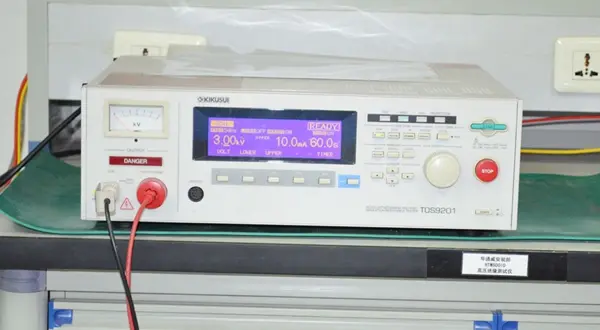
① Electrical Safety: Comply with iec 62368-1.
② Radio Certification: Comply with fcc part 15 (US), CE-RED (EU), and SRRC (China).
Email:hello@jjrlab.com
Write your message here and send it to us
 FCC Certification Requirements and Costs for Consu
 EMC Testing Lab IEC 60601 Medical Electrical Safet
 What are the FCC Testing Requirements for Bluetoot
 Australia RCM Certification for Radio Devices
 RED Cybersecurity EN 18031 Standard
 Compliance Testing for EMC
 What is Amazon Toy Compliance?
 What is Cytotoxicity ISO 10993-5
Leave us a message
24-hour online customer service at any time to respond, so that you worry!