



U.S. FCC-ID Certification and Canadian IC Certification
U.S. fcc-ID Certification
FCC-ID is one of the mandatory certification models under FCC regulations in the United States, applicable to wireless products. Products with wireless transmission frequencies, such as Bluetooth devices, WiFi devices, wireless equipment, radio receiving and transmitting devices, telephones, computers, and others, must apply for FCC-ID certification. Wireless product certifications are directly reviewed by FCC TCB institutions and can be verified on the official FCC website.
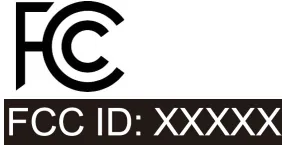
Which Products Require FCC-ID Certification?
1. Transmission Frequency: 125KHz, 13.56MHz
Typical Products: Door access card readers, public transport card readers, wireless chargers.
2. Transmission Frequency: 27MHz, 49MHz
Typical Products: Remote-controlled toys, wireless mice.
3. Transmission Frequency: 315MHz, 433MHz
(Intermittent or periodic products; remote-controlled toys are prohibited from using these frequencies)
Typical Products: Remote switches, wireless doorbells, anti-theft devices.
4. Transmission Frequency: 88-108MHz
Typical Products: In-car FM transmitters.
5. Transmission Frequency: 902-928MHz, 2400-2483.5MHz, 5725-5850MHz
Typical Products: Remote-controlled toys, wireless mice, Bluetooth speakers, WiFi drones, smart home products.
Documents Required for FCC-ID Product Certification
1. Application form.
2. Product samples.
3. Product manual.
4. Product nameplate.
5. Circuit schematic diagram.
6. Circuit operation description.
7. Block diagram of the circuit.
8. Certification authorization letter.
9. Confidentiality agreement.
FCC-ID Certification Application Process
1. Apply for an FRN (Federal Registration Number). If the applicant is applying for an FCC-ID for the first time, they must apply for a permanent Grantee Code.
2. Prepare the required documents.
3. Review of documents.
4. Testing phase.
5. Obtain the certification.
Canadian ic certification
ised certification, also known as IC-ID certification, refers to the authorization by Innovation, Science and Economic Development Canada (ised). Since 2016, the name has officially changed to ISED, though the labeling format remains unchanged. ISED certification is mandatory for electronic and electrical products entering the Canadian market. Wireless products within the scope of certification must obtain approval before being sold or used in Canada. The certification process is similar to the U.S. FCC system.
Applicable Product Categories for ISED Certification
- Bluetooth devices.
- WiFi devices.
- Mechanical products.
- Information technology equipment.
- Terminal devices.
- Lighting products.
- Radio devices.
- Telecommunication products.
- Audio-visual broadcasting equipment.
- Industrial, scientific, and medical equipment.
For detailed information, consultations are always available.

ised id Certification Methods
1. ISED-sdoc: Generally applies to non-wireless products (without wireless transmission capabilities).
2. ISED-ID: Generally applies to wireless products.
*Note: Both certification methods do not require factory inspections.*
Documents Required for ISED-ID Certification
- Application form.
- IC number.
- Local agent authorization letter.
- Product circuit schematic and user manual.
- Test reports.
ISED Certification Process
1. Submit required documents.
2. Provide product samples.
3. Laboratory testing.
4. Apply for the ID number (through a Canadian agent).
5. Successful ID number registration.
6. Certificate issuance.
The entire process typically takes 3–4 weeks under standard conditions.
Important Notes
Radio products can only be sold in the Canadian market after obtaining ISED certification. The purpose of this certification is to ensure that all radio products provided to Canadian consumers are safe and comply with the proper manufacturing and environmental guidelines established by the Canadian government.
About JJR Laboratory
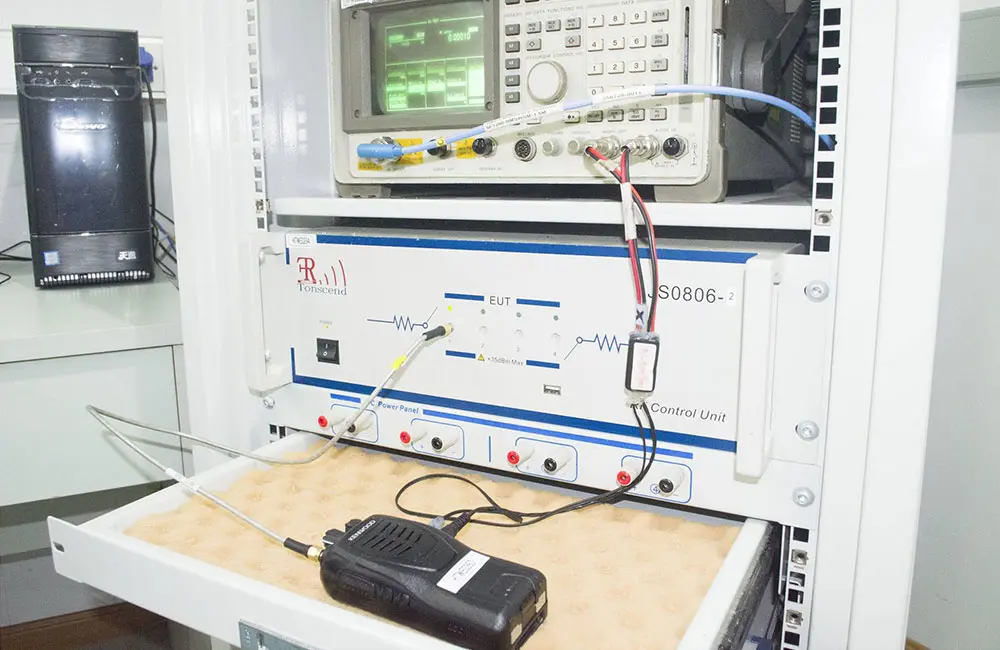
JJR Laboratory in China offers testing services for U.S. FCC-ID Certification and Canadian IC Certification. With complete qualifications, they can help reduce certification costs by up to 40%.
Email:hello@jjrlab.com
Write your message here and send it to us
 ISO 10993 Biocompatibility Standards
 Medical TPV ISO 10993 Biocompatibility Testing
 FDA Requirements for Biocompatibility under ISO 10
 Amazon Spain WEEE Compliance Deadline: September 3
 What is the ASTM F2264 Certification Test?
 What is ASTM F2194 Certification Testing?
 What is the ASTM F2167 Certification Test?
 What is the ASTM F2050 Certification Test?
Leave us a message
24-hour online customer service at any time to respond, so that you worry!