



ISO 10993-10 In Vitro Skin Sensitization Test Service
In vitro skin sensitization test is an important detection method for evaluating whether a substance has sensitization potential or potential sensitization risks. It is widely used in pharmaceuticals, cosmetics, chemicals, food contact materials, medical devices and other fields. Its core objective is to identify and quantify allergic reactions that substances may trigger in the human immune system, so as to provide a scientific basis for product safety assessment. With increasing public attention to health and safety, the importance of in vitro skin sensitization test in product quality control and regulatory compliance has become increasingly prominent.
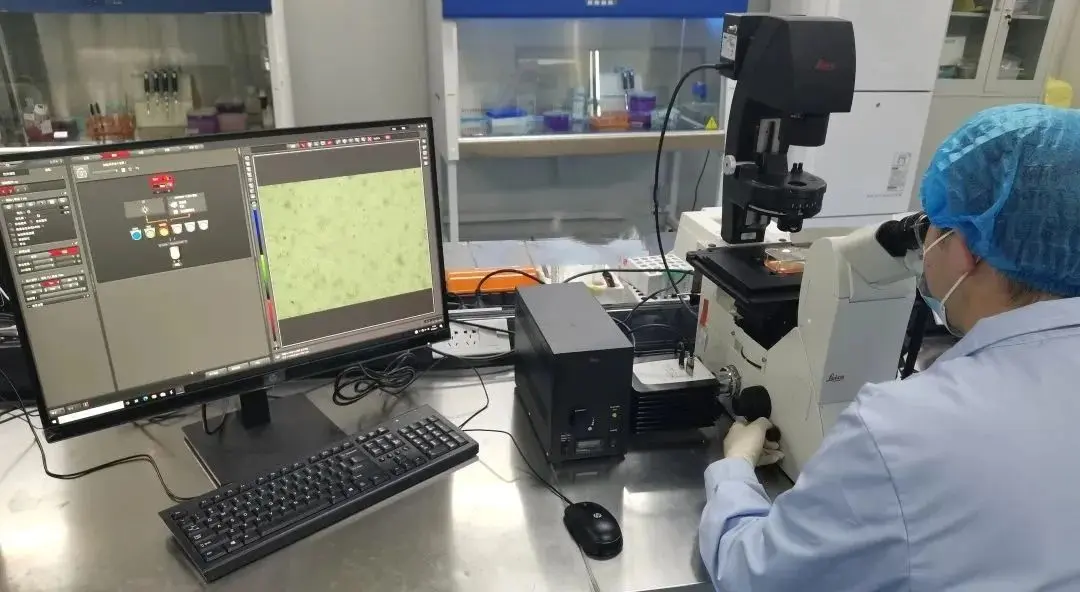
Applicable Scenarios of In Vitro Skin Sensitization Test
• Pharmaceutical field: Evaluate the potential sensitization of drugs and their excipients to ensure medication safety.
• Cosmetics & daily chemical products: Test the sensitization risks of ingredients such as fragrances and preservatives to meet requirements including EU Cosmetics Regulation (EC No 1223/2009).
• Chemicals & industrial materials: Prevent allergic reactions caused by occupational exposure to chemical raw materials, coatings, adhesives, etc.
• Food contact materials: Verify the sensitization possibility of chemical migrants from packaging materials.
• Medical devices: Evaluate the biocompatibility of implantable materials or products in long-term contact with the human body.
Test Items & Introduction
Test items of in vitro skin sensitization test are generally classified into the following categories:
Skin In Vitro Sensitization Test
• Principle: Simulate the immune response after substance contact with skin through animal or in vitro models to evaluate its sensitization potential.
• Typical methods: Local Lymph Node Assay (LLNA), Guinea Pig Maximization Test (GPMT).
Respiratory Tract In Vitro Sensitization Test
• Application: Detect the irritation of inhalable allergens (e.g., dust, aerosols) to the respiratory system.
• Model: Mice or rats are commonly used for respiratory sensitization evaluation.
Ocular Mucosa In Vitro Sensitization Test
• Scenario: Evaluate the sensitization risk of eye care products or chemical substances to the conjunctiva.
In Vitro Cell-Based Assays
• Technology: In vitro models based on human-derived cells (e.g., dendritic cells, T lymphocytes), judging sensitization by detecting cytokine release or changes in surface markers.
• Advantages: Comply with the 3R principles for animal testing replacement, suitable for high-throughput screening.
Reference Standards for Testing
The implementation of in vitro skin sensitization test shall strictly follow international and national standards. Common standards are listed below:
• OECD 429 Skin Sensitization: Local Lymph Node Assay (LLNA)
An internationally recognized animal testing standard, which evaluates sensitization by detecting lymph node cell proliferation.
• iso 10993-10:2021 Biological Evaluation of Medical Devices — Part 10: Tests for Irritation and Skin Sensitization
Standardizes the sensitization testing process for medical device materials.
• GB/T 16886.10-2017 Biological Evaluation of Medical Devices — Part 10: Tests for Irritation and Delayed-Type Hypersensitivity
Chinese national standard, equivalent to ISO 10993-10.
• EN 71-10:2020 Safety of Toys — Part 10: Organic Chemical Compounds — Test Methods
Specifies sensitization testing requirements for chemical substances in toy materials.
Test Methods & Instruments
Animal Testing Methods
Local Lymph Node Assay (LLNA)
• Procedure: Apply the test substance to the ears of mice; detect lymphocyte proliferation in lymph nodes after 5 days.
• Instruments: Flow cytometer (for cell counting), microplate reader (for detecting BrdU-labeled DNA synthesis).
Guinea Pig Maximization Test (GPMT)
• Procedure: Induce immune response in guinea pigs via intradermal injection and topical application; observe skin erythema, edema and other indicators.
• Instruments: Microimaging system (for recording skin reactions), histopathological section equipment.
In Vitro Alternative Methods
Human Cell Line Activation Test (h-CLAT)
• Principle: Use human-derived THP-1 cells; detect expression levels of CD86 and CD54 via flow cytometry.
• Equipment: Flow cytometer, cell incubator.
Direct Peptide Reactivity Assay (DPRA)
• Procedure: Analyze the binding capacity of the test substance to skin proteins (cysteine, lysine).
• Instruments: High Performance Liquid Chromatograph (HPLC), mass spectrometer.
Molecular Biological Technologies
Gene Expression Profiling
• Technology: Detect expression changes of sensitization-related genes (e.g., IL-18, S100A8) via qPCR or RNA sequencing.
• Equipment: Real-time fluorescent quantitative PCR instrument, gene sequencer.
Email:hello@jjrlab.com
Write your message here and send it to us
 What is the Difference Between EU PPWR and EPR?
 What is Japanese METI Registration
 Exporting to Saudi Arabia Saber Certification: PCo
 How to get a Saudi Arabia MSDS?
 Do I Still Need PPWR Compliance if I Have RoHS?
 Amazon Children's Toys Direct Validation Mandatory
 UL 4200A-2026 Compliance Standard for Button/Coin
 Guide to the EN18031 Testing Standard
Leave us a message
24-hour online customer service at any time to respond, so that you worry!